Choosing a Water Storage Tank Size That Can Scale With Your Business
There are many sizes, shapes, colors, and materials of water storage tanks. Some people may want a large tank to meet both their domestic and irrigation needs, while others might require a smaller tank for emergency purposes. This guide will explain why bolted tanks are the most straightforward way to increase storage capacity as the business grows, and help you calculate the size of bolted tanks based on daily usage, peak demand, fill rating, and safety reserve.
Why Water Storage Tank Size Matters
Sizing a water storage tank is a balance between the demand for water and how dependable the supply will be. A tank that is too small can create a shortage of water when there is maximum demand.
This puts too much pressure on pumps and supply systems. A tank that is too large has extra costs associated with it, takes up useful space, and accumulates water that has been sitting for long periods of time without being used. The right sizes of water storage tanks align storage capacity with actual usage patterns and refill capability.
Start With Your Water Storage Goals
Before choosing a size for the tank, one also needs to determine what the storage system is required to accomplish. The most common requirements are a mix of the following:
- Daily operations bufferProvide a consistent supply to meet routine system demands, even if the incoming water supply is inconsistent.
- Peak-demand coverageHandle short periods where water use exceeds the available supply, such as start-up cycles or batch operations.
- Emergency reserveOffer a backup supply to meet system demands if the supply is interrupted or the system is down.
- Irrigation demandStore enough water to meet scheduled irrigation cycles without relying on a continuous supply.
- Fire protection reserve (where required)Maintain a dedicated supply to meet fire response demands, depending on the specific requirements for the system.
Calculate Water Storage Tank Sizes for Daily Use and Peak Demand
Daily water usage and peak demand are different, and understanding this is important to size a tank effectively. It is possible for a system to use a moderate volume of water every day, but there may be a time when the demand for that water is high, and the supply is not sufficient to meet that need. For example, a system may use 3,000 gallons of water per day, but a significant portion of that may be required for a one-hour washdown cycle.
Estimate Daily Water Use for Water Storage Tank Sizes
Rely on the actual data if you can. The best information for setting a baseline comes from water bills, water meter readings, or system logs. If real data is not in your hands, then calculate water consumption based on fixtures and equipment that require water throughout the day.
Water use varies a lot depending on the season, the number of people, and the hours of operation. It's really important that you take all this into consideration rather than using an average. As a general reference:
- Light commercial or small operations can be considered an estimate of a few hundred to a few thousand gallons per day.
- Larger operations, high wash-down activities, or process-oriented operations can be considered an estimate of several thousand to tens of thousands of gallons per day.
These estimates are merely a guide. Actual water needs will be based on how an operation functions, not merely its size.
Identify Peak Demand Windows
Peak demand occurs during peak operating periods when multiple water-using activities occur. Common peak events include:
- Morning system start-up when multiple fixtures or processes begin at once
- Scheduled washdown or cleaning cycles
- Irrigation cycles run alongside normal operations
- Production batches that require concentrated water use
Determine how much water is required during these times, then compare it to the amount of water supplied. The difference between the two will determine the amount of storage needed.
Measure Your Refill Rate and Supply Limits
Tank capacity depends not just on the volume of water you need, but also on the volume of water you can get in a timely manner. For example, if the water supply can be rapidly replenished, then the size of the tank could be smaller, since the tank will fill up before the water empties.
Know Your Source Output
The first thing to do is figure out how much water is given to you. The common unit of measuring it is gallons per minute (GPM), be it from a well, the city water supply, or another source of water.
For instance, if the water source can provide 10 GPM, then it can provide 600 gallons in an hour under normal conditions. This figure lets you measure and contrast how fast water is supplied versus how fast it is being consumed. In case the demand goes beyond this pace, a storage solution is the only way to fill the shortage.
Match Storage to Refill Time
The storage capacity must be sufficient to cover the gap between when the water is required and when it is replenished. If the system requires a large amount of water over a short time, but the refill takes hours, the storage capacity must be sufficient to make up the gap between the two times.
In other words, the requirement comes suddenly, while the refill is gradual. The bigger the gap between the two, the larger the storage capacity must be to ensure continuous use without interruption.
Add Safety Margin and Required Reserves
Water demand calculations are often based on expected requirements, but this leaves little room for interruptions in supply. There is usually a safety margin built into the project to make up for potential interruptions, increased use, and other issues. The storage capacity must be enough to ensure continuous use, even in less-than-ideal conditions.
Emergency Days and Operational Buffer
Many sites plan for additional storage that covers one or more days of operation beyond typical demand. The exact amount depends on how reliable the water source is and how critical the operation becomes if the supply is interrupted. Facilities with inconsistent supply or limited backup options often carry larger reserves, while stable municipal systems may require less buffer. The decision usually reflects risk tolerance, site conditions, and the cost of downtime.
Fire Protection Reserve Where Applicable
Some applications require a dedicated volume reserved strictly for fire protection. This storage is usually kept separate from regular operational usage to make sure it is available when required. Because requirements differ from one location, one authority, or one type of facility to another, they should be verified during the planning stage. Incorporating this reserve right from the start of the sizing process will prevent the risk of an undersized tank or having to reallocate capacity later on.
Example: Putting Tank Size Together
Real-world sizing decisions come down to how daily use, peak demand, refill rate, and reserve planning work together. These examples show how operators think through those variables without relying on complex calculations.
Scenario A: Small Operation with Morning Peak
A small facility has a steady, moderate water consumption throughout the day. However, a large part of it takes place in a very short morning start-up and washdown period. The supply coming in is constant but quite limited, so it simply cannot meet that demand spike in real time.
The tank stores sufficient volume to cover the morning peak while the supply continues to refill it at a slower pace. The operator also adds a small buffer to cover minor delays or unexpected use. Thus, the output is a system that operates smoothly during the busiest hours without the tank being oversized beyond what the site really requires.
Scenario B: Growing Operation Planning for Expansion
A growing operation expects water demand to increase as new equipment and processes come online over time. Instead of installing a tank sized only for future maximum demand, the site plans for current needs with a reasonable buffer.
The first tank fulfills current operational needs and short-term expansion; meanwhile, the system arrangement is capable of accommodating future growth as demand goes up. With mechanically fastened tank fabrication, extra capacity can be gradually incorporated, thereby matching the expense with the actual increase in demand, while still ensuring a uniform water supply throughout every stage.
Practical Constraints That Affect Water Storage Tank Size
Sometimes, even where demand is very well defined, circumstances can constrain what is actually available.
- Available site space: Enough space for the tank, easy access, maintenance, and safety clearance.
- Footprint and height limits: Zoning, layout, or structural considerations might restrict the diameters or heights
- Delivery and placement access: Site entry points and equipment access can affect what size water tank is needed.
- Allowance for future expansion: Leaving space for additional capacity helps avoid costly rework later
- Construction approach: The type of tank could determine lead time, installation, and also the extent of the 'feeling of permanence' of the structure.
- Cost and flexibility: Different construction methods determine the amount of upfront cost and the possibility of modification or expansion over time
Why Fixed Welded Tanks Make Scaling Hard
Trying to size a welded tank for a one-time build might become a problem if the demand turns out to be much higher than the initial estimates. These kinds of structures are normally fixed in position and therefore difficult to alter; even a small increase in capacity will typically mean installing a new unit rather than simply extending the existing one.
Why Bolted Tanks Win for Growing Businesses
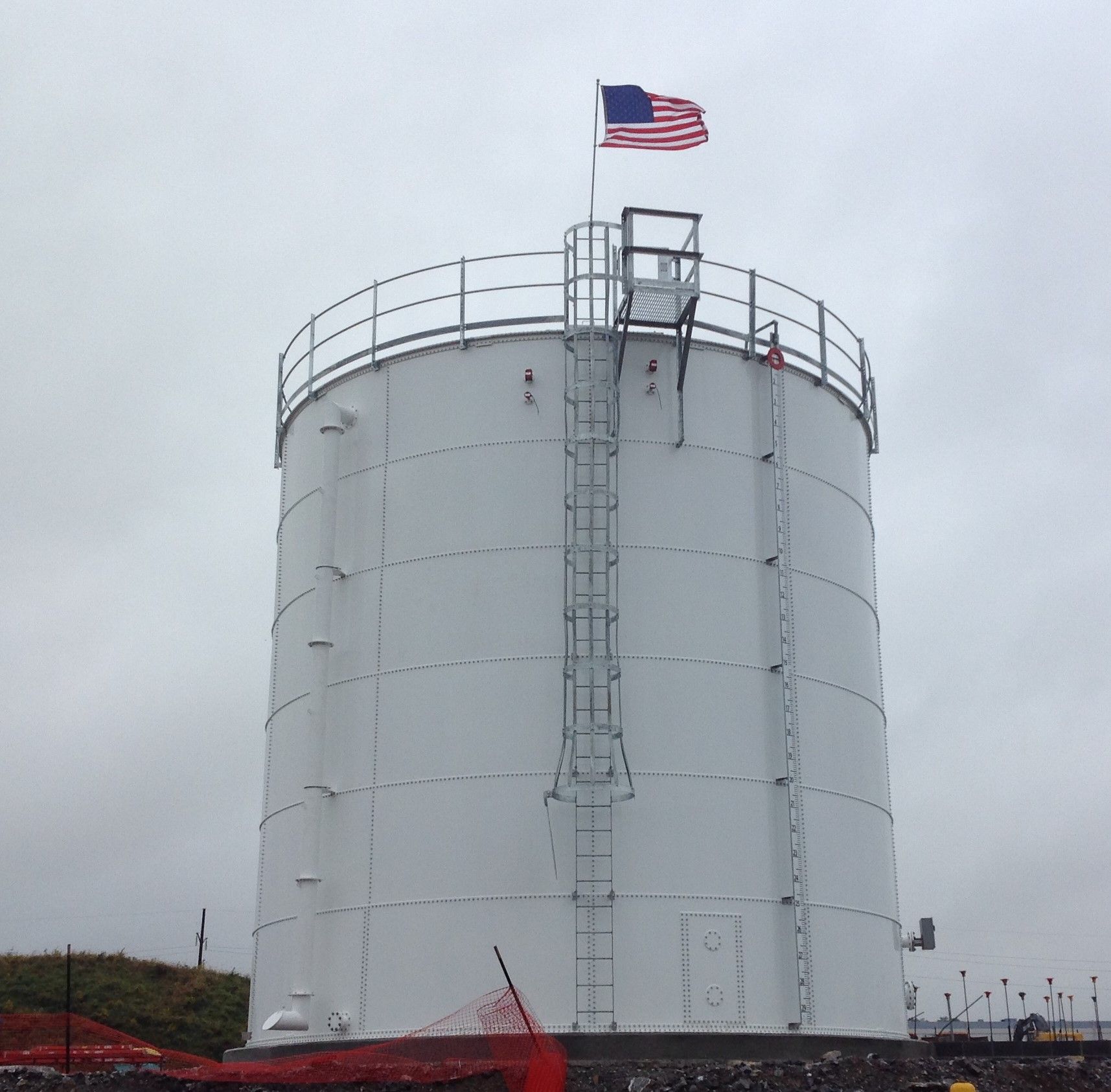
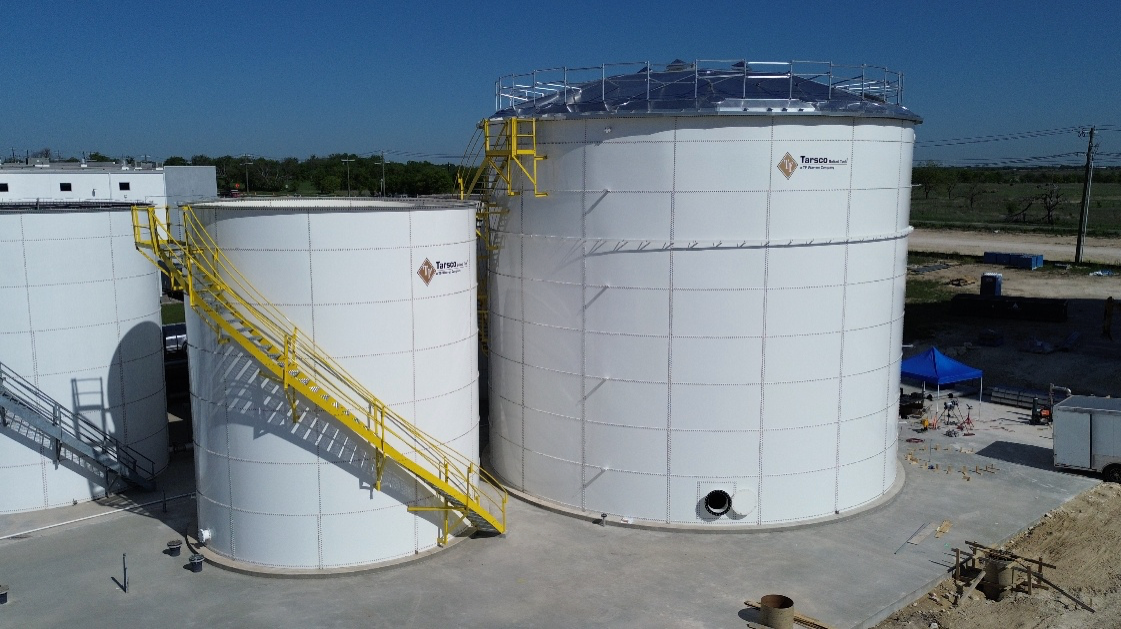
Bolted tanks use a panelized system that is ready-to-assemble. This layout is most suitable for expansion since it accommodates a capacity increase when the requirements change. In addition to more fixed, welded structures, they offer a more flexible way to increase capacity without being forced to commit to a final size on the first day.
Add Capacity Without Replacing the Whole System
Bolted tanks allow adding extra height or volume as demand increases. So, instead of buying a larger capacity tank, this approach helps to size the tank for the current requirement, keeping the options to scale in clear view.
Easier Logistics for Larger Volumes
The panelized parts are transported in smaller sections, and the assembly is carried out locally, reducing the typical logistics and operational limitations associated with the use of large, single-piece tanks. It is actually more feasible to bring in large-capacity systems to areas with accessibility issues.
Phased Growth and Multi-Site Consistency
It is rare that a business will grow suddenly. New irrigation zones, additional production, or changed requirements will usually happen over a period of time. To support this growth, bolted tank systems allow adding capacity in phases.
You can standardize storage at multiple sites and have consistent configurations that make planning, procurement, and operations much easier.
Quick Checklist for Water Storage Tanks Sizes
If you want to know what size water storage tank you need, use this checklist before making a decision:
- Daily use: The usual amount of water consumption for a whole day.
- Peak demand: The time when water consumption increases drastically, and the amount of water required during this period.
- Refill rate: The rate at which your supply replenishes the tank (gallons per minute).
- Reserve days: How much backup storage do you want for supply interruptions
- Fire reserve needs: Any dedicated storage required for fire protection, if applicable
- Available footprint: Space on site, including clearance for access and maintenance
- Access constraints: Delivery, installation, and placement limitations
- Expansion plan: Whether future capacity increases are expected
Budget tradeoffs: Deciding between oversizing now or expanding later
Frequently Asked Questions
Recent Posts
Industrial Tank Restoration: When to Repair Instead of Rebuild
Underground Water Storage Tanks vs Above-Ground Tanks: Which Fits Your Site?
Tank Foundation Types: Ringwall vs. Slab vs. Deep Foundations
Custom vs. Ready-Made Steel Tanks: What’s Best for You?