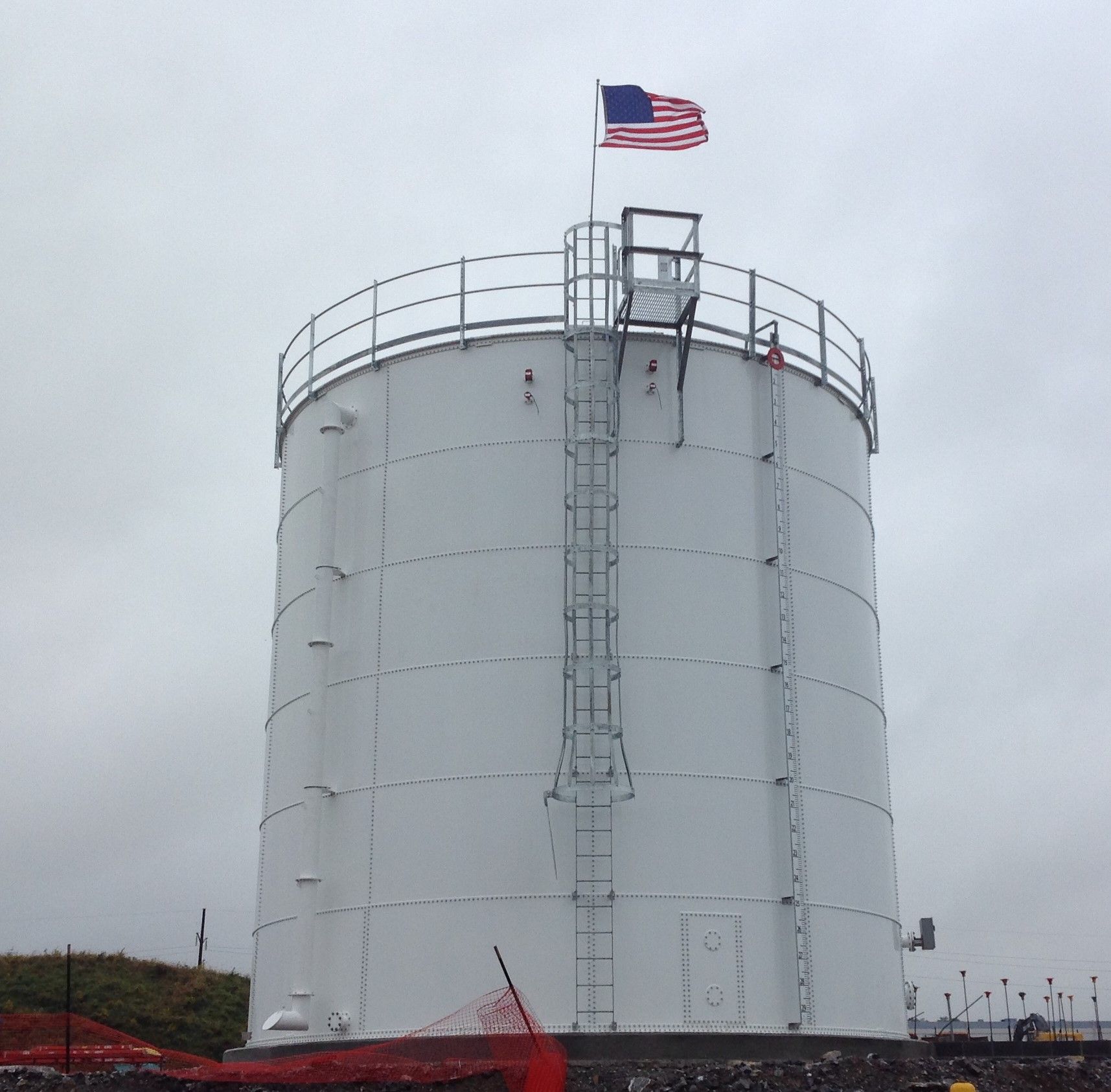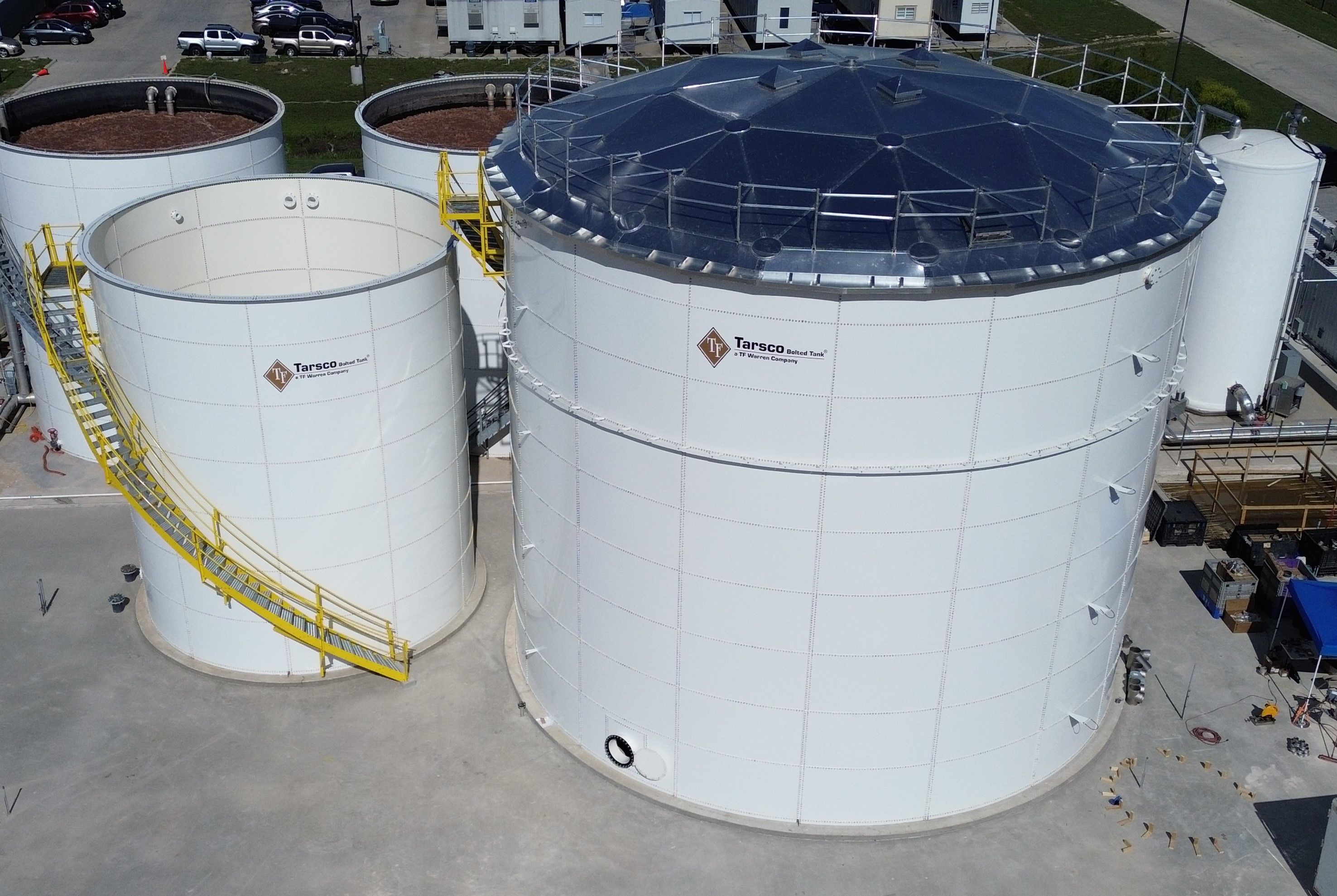
A frac tank is a large steel container built for temporary on-site storage of fluids or solids during industrial, environmental, or energy projects. In the simplest terms, when someone asks what is a frac tank, it’s any heavy-duty rectangular or round vessel that can hold thousands of gallons and be moved from job to job as needed.
In this article, we'll break down exactly how these tanks function and the specific industries that couldn't operate without them.
Frac Tank Basics
To really understand what a frac tank is used for, it helps to know how one is put together. It includes a heavy-gauge steel shell built for durability. The rectangular body typically features a rounded or V-shaped bottom that creates a natural low point so the tank can be completely drained and cleaned without having to tilt it.
You'll find several standard components on most units. Up top, there are manways and hatches for interior access and inspection, along with vents to manage pressure. Ladders and walkways are common for safer access to these points. For monitoring and moving material, they're outfitted with level gauges and robust inlet and outlet valves.
Many tanks also have manifold connections that allow several units to be tied together when a project calls for extra capacity.
What These Tanks Hold
On most job sites, frac tanks keep large volumes of liquid contained, protected, and easy to access. Operators rely on them for fresh water, flowback or produced water coming off a well, brine, and a range of process fluids that need to stay on hand during drilling, completions, or cleanup work. When people ask, “What is a frac tank used for?”, this day-to-day liquid storage is usually the first answer.
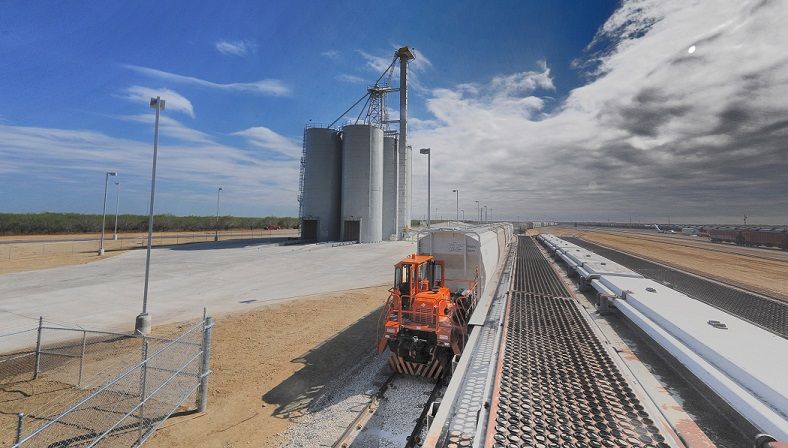
However, the use of frac tanks goes beyond fluids. Dry materials such as frac sand, lime, barite, or chemicals call for a different setup altogether. In those cases, facilities often turn to flat-panel, bolted silos or epoxy-coated silos engineered for heavy static loads and clean discharge. These systems bring the same priorities, including safe handling, controlled environments, and dependable on-site storage, just in a format built for bulk solids rather than liquids.
When Frac Tanks Are Used
Frac tanks show up on job sites when crews need dependable temporary storage without slowing the work around them. They’re brought in during short-term projects where water, wastewater, or process fluids have to be held on site, whether that’s supporting a drilling program, managing runoff on a construction job, or keeping operations moving during a bypass.
Because they can be hauled in, set quickly, and connected to common pumps and lines, they’re often the simplest way to keep materials contained while other work takes place. They’re also used in situations where conditions change fast. For instance, environmental remediation projects rely on them to contain and transport collected hazardous liquids safely.
Industries That Use Frac Tanks
You will find frac tanks on job sites across a surprising range of fields. Their core function is always the same: providing secure, high-volume, and portable material storage right where it is needed.
Oil and Gas Operations
In oil and gas, a frac tank is used for storing the vast quantities of water and chemical additives required for hydraulic fracturing. They also securely hold liquid waste like flowback and produced water for later disposal or treatment. Their portability is key to moving between well sites as operations progress.
Agriculture and Irrigation
Farmers rely on these tanks for seasonal water staging and moving irrigation supply to remote fields. They are also deployed for holding liquid fertilizers or nutrient solutions where regulations permit. This setup provides a flexible water reserve for livestock or for drought-prone areas of large properties.
Municipal Storage and Utilities
Municipal crews use frac tanks for potable water reserves during system outages or for sewer bypass work during pipeline repairs. They provide essential emergency water storage for firefighting or public supply in a crisis. They are also crucial for temporary water holding during main breaks and other public works projects.
Environmental Remediation Projects
Environmental teams use closed-top tanks for groundwater treatment, dewatering, and temporary containment during cleanup. They offer room for basic oil-water or solids separation before the material is hauled off. The sealed design helps keep contaminants controlled while work progresses in tight or sensitive locations.
Shipping and Transportation Logistics
Ports, rail yards, and transload sites use frac tanks for short-term storage of compatible industrial liquids awaiting transfer or disposal. Their stable platforms, clear labeling, and straightforward access points help operators manage materials safely while keeping turnaround times predictable across busy logistics corridors.
Frac Sand Storage and Processing
For dry materials like frac sand, the industry uses specialized bolted silos, not liquid frac tanks. These silos provide large-volume, contaminant-free storage for sand used in hydraulic fracturing. Their epoxy-coated, abrasion-resistant interiors and quick bolted assembly make them a durable and rapidly deployable solution for sand plants.
Frac Tanks Vs Sand Storage Tanks
| Feature | Frac Tank (Liquid Storage | Sand Storage Tank (Dry Bulk Silo) | ||
|---|---|---|---|---|
| Primary Function | Temporary on-site storage of liquids like water, chemicals, and wastewater. | Long-term storage of dry bulk materials like frac sand, lime, and barite. | ||
| Key Advantage | High portability; can be moved between sites when empty. | Large, stationary capacity with superior material protection from contamination. | ||
| Construction | Single, sealed steel container, often with a rounded bottom. | Bolted steel panels with epoxy coatings for abrasion resistance and durability. | ||
| Material Handling | Contents are pumped in and out via valves and manifolds. | Materials are loaded from the top and discharged through cone bottoms. | ||
| Ideal For | Hydraulic fracturing, water supply, spill containment, dewatering, and agriculture. | Frac sand plants, transloading stations, and industrial dry material processing. | ||
| Main Consideration | Not suitable for dry materials; limited by the capacity of a single tank. | Not portable; requires a foundation and is a permanent or semi-permanent asset. | ||
Selecting the Right Frac Tank or Frac Sand Silo for Your Project
Start by confirming “What is a frac tank used for?” Answer that, then walk through this checklist. First, identify your material: liquid or dry bulk like sand. Next, nail down your required capacity and the project's duration. This will point you toward either a portable frac tank for liquids or a bolted silo for dry materials.
You’ll also need to confirm your site is ready. This means ensuring it’s spacious, stable, and safe to access for installation and operation. Also, consider local weather and how you'll load and unload the material. Finally, don’t forget your long-term plan for maintenance or relocation.
Recent Posts
Tank Foundation Types: Ringwall vs. Slab vs. Deep Foundations
Custom vs. Ready-Made Steel Tanks: What’s Best for You?
TES Tanks: What They Do, Why They Pay Off, How They Work
Caustic Soda Storage Tanks: No More Winter Flow Surprises