Tank Fabrication Process for Bolted Tanks From Start to Site
Tank fabrication is the controlled process of turning engineered designs into reliable storage tanks for water and other industrial uses. Hence, it is important to deliver factory-coated bolted steel systems that meet strict industry standards while offering the flexibility customers need.
This guide breaks down the main stages of a project from initial planning through materials selection, precision fabrication, quality control, protective coatings, testing, and final delivery to your site.
What Are Storage Tanks?
Storage tanks are containers designed to hold liquids or any other dry materials for a long time. Among different industries, these tanks support water infrastructure, industrial processing, and even bulk material handling.
You will find storage tanks with potable water for municipalities, treatment facilities for wastewater, fire protection water reserves, and so on. The common thread is reliability when critical operations depend on stored materials, the tank system must perform consistently day after day.
Common Types of Storage Tanks
Tarsco Bolted Tank specializes in several proven tank categories that address different storage challenges:
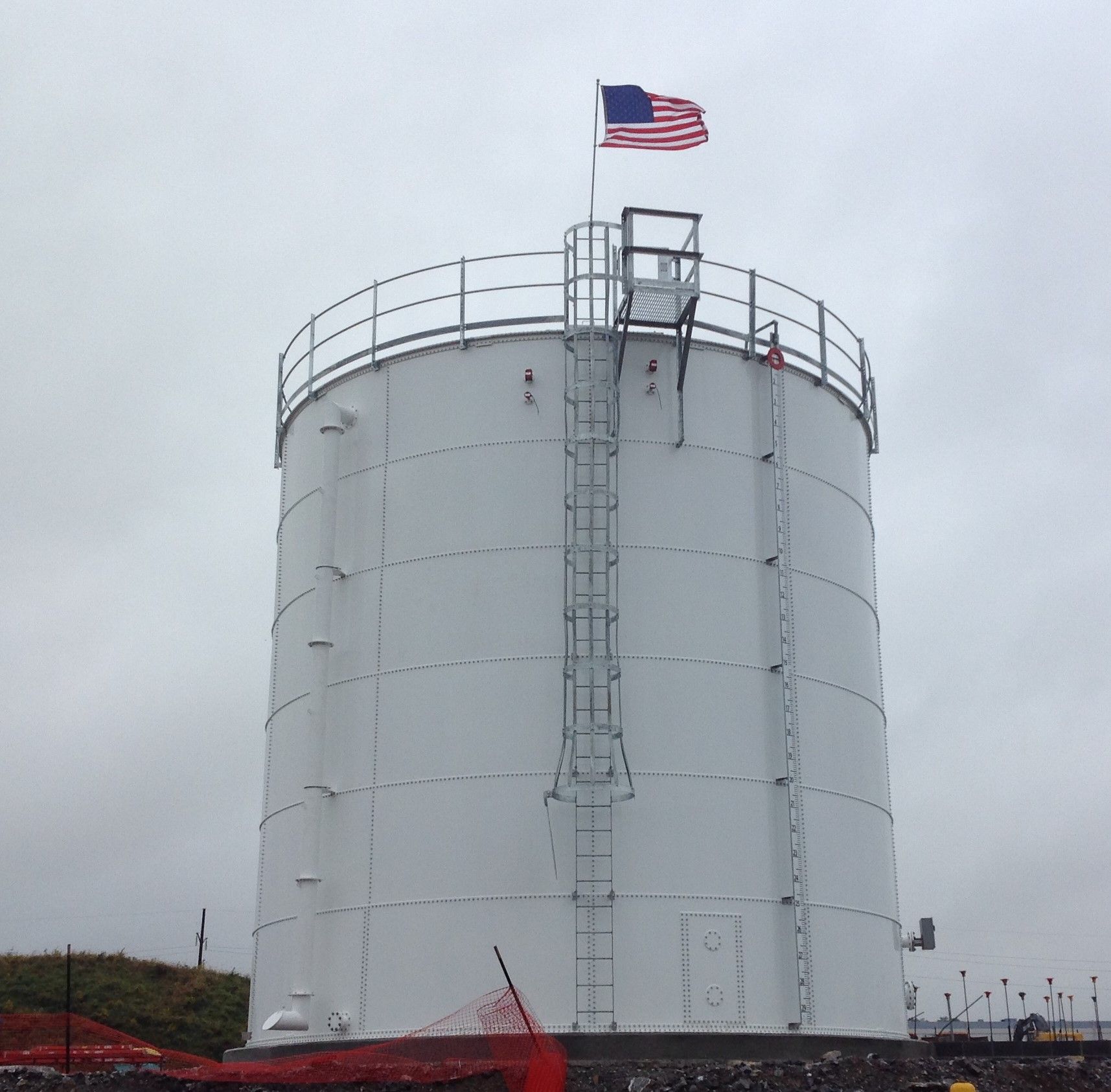
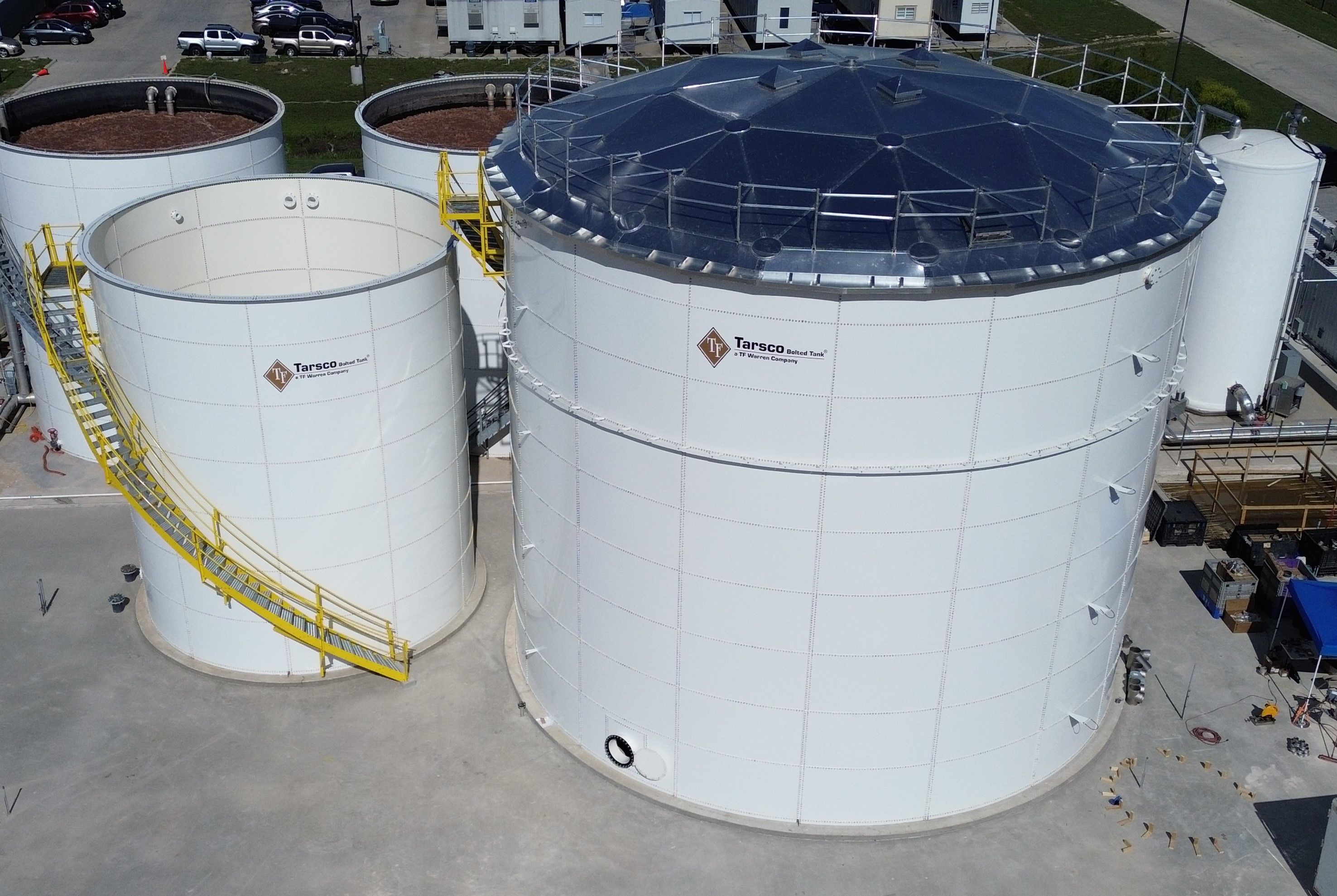
- Above-ground bolted storage tanks: Our primary focus, built from factory-coated steel panels assembled on site.
- Stainless steel bolted tanks: Suitable for highly corrosive environments or situations that need high material compatibility.
- Powder-coated bolted tanks: Have advanced factory-applied powder coating systems to protect against corrosion.
- Dry bulk storage tanks and silos: Engineered for agricultural and industrial dry material containment.
- Welded tank repair and maintenance: We also support welded steel tanks with inspection, coating, and services.
These ranges allow us to get the right construction method and material for your demands.
Storage Tank Applications
Tarsco tanks have different applications. We build systems for potable water storage and municipal water infrastructure, wastewater treatment facilities, fire protection water reserves, process liquid containment in industrial operations, petroleum and chemical storage, and dry bulk silos for agricultural products.
Every application has different materials, protective coatings, design standards, and installation planning. For instance, a fire protection tank built to NFPA standards is different from an anaerobic digester handling biogas.
Planning and Engineering a Tank Project
Every project starts with an understanding of your storage needs. Once we have the necessary requirements, our engineering team gets to work. They create detailed drawings that help the whole process of fabrication and installation.
We design to recognize industry standards that ensure safety and performance. For water and fire protection applications, we use AWWA standards, including AWWA D103 for factory-coated bolted steel tanks. Fire protection projects follow NFPA requirements, and FM requirements or approvals may apply depending on the project.
Material specifications follow ASTM standards, and where drinking water contact is involved, NSF compliance comes into play. This standards-based approach gives you documented assurance that your tank meets the codes governing your application.
Choosing Materials for Tank Fabrication
Selecting material is based on what your tank will hold and where it will work.
Carbon steel is mainly used in most bolted water and industrial tanks. It gives strength and is also cost-effective for protective coatings. In harsh environments, like wastewater with hydrogen sulfide, stainless steel or hybrid designs work well. For example, our anaerobic digester Tarsco tanks use epoxy-coated carbon steel, stainless steel, or hybrid setups to handle the corrosive gases and high temperatures in biogas systems.
Key Steps in Tank Fabrication
Tarsco's bolted tank fabrication procedure focuses on making flat panels that are shipped to your site, ready for assembly.
1. Cutting and Preparing Plates
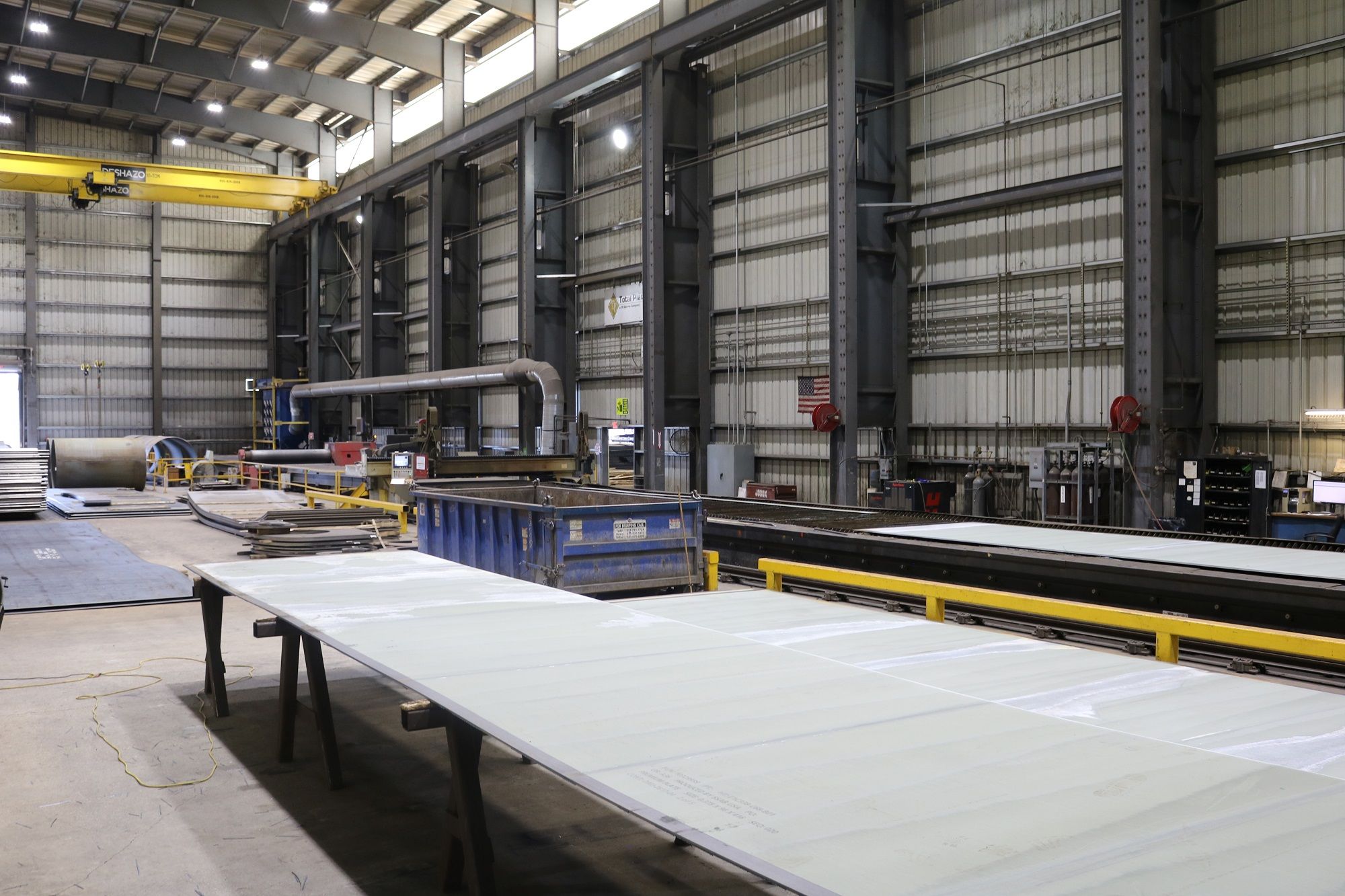
Tarsco relies on precision laser cutting for tank components to keep things consistent. Laser cutting ensures that bolt holes line up exactly where they need to, panel edges meet specifications, and components actually fit together.
Clean preparation during this stage helps proper fit-up during installation and application of coating. When panels show up on site, they're ready to go. This reduces the need for field modification.
2. Fabricating Flat Panels and Tank Components
Tarsco's bolted systems consist of flat-panel sections. Each panel is made in our controlled factory. Here, we apply coatings, conduct inspections, and check dimensions before the components are shipped to your site. This factory fabrication model shifts quality control upstream, reducing variables and weather-related delays that plague field welding.
For specialized applications like anaerobic digesters, we make tanks that range from 9 to 100 feet in diameter and 5 to 110 feet in height. These tanks include options for mixer mounts, insulation systems, and gas-tight roof designs.
3. Assembly and Installation by Field Crews
Once fabricated panels arrive at your site, professional in-house installation crews assemble the tank from these pre-engineered components. Bolted construction minimises field welding and predictable timelines.
Our crews work in a systematic way. First, the foundation is prepared, panels are installed, bolting processes are followed, the roof is installed, and then final connections are made.
Quality Control and Inspection
Quality is a part of every step in fabrication and installation. It is important to follow QA/QC processes that comply with API, AWWA, ASTM, and NFPA. Common practices for quality control and inspection processes include:
- Verifying dimensions during fabrication so that components match the drawings.
- Have fit-up checks and alignment inspections during installation.
- For important applications, have formal inspection and testing services that check the tank integrity before the system goes into service.
Finishing and Protective Coatings
Protective coatings are important for tank longevity. And at Tarsco Bolted Tanks, we see coating application as a huge part of fabrication.
We apply coatings in controlled factory conditions. Here, temperature, humidity, and cleanliness remain within specification. This approach removes the variables that can undermine field-applied coatings.
Powder coating is one of Tarsco’s specialized services for tank components. It provides excellent corrosion resistance and a tough finish that withstands handling, shipping, and long-term use.
For anaerobic digesters and other aggressive environments, we use thermally cured epoxy systems that create a chemical barrier between corrosive process liquids or gases and the steel substrate.
Modern Techniques and Fabrication Technology
Tarsco uses bolted tank designs with modern fabrication capabilities that improve quality and efficiency.
Precision laser cutting has components with tolerances that would not be possible to get with traditional cutting methods. This makes sure bolt patterns and panels fit together without the need for force or modification.
Advanced coating processes in Tarsco facilities have protective systems with controlled conditions. These meet specifications for surface preparation, film thickness, and cure.
We provide documentation with drawings, material certifications, coating records, and inspection reports. This traces each component from raw material to installation, ensuring that tanks meet design intent.
Common Challenges in Tank Fabrication
A few common challenges during a tank fabrication process can include:
- Controlling fit and alignment: Careful preparation of components or systematic installation steps that match designs.
- Coordinating schedules and site readiness: Proper completion of foundation, access for equipment & materials, etc.
- Ensuring long-term corrosion protection: Proper material choices and coating systems to match changing environments.
The Tarsco solution to these challenges is through controlled quality factory fabrication, minimizing variables in the field, trained and professional installation crews, and clear planning.
Testing Before Release
Testing requirements for Tarsco tanks depend on the application and governing standards. Our inspection and testing services focus on each project. We match the verification steps to what your tank will do and what codes apply.
Most bolted storage tanks follow inspection protocols that check proper assembly, material compliance, and coating integrity. Tarsco records all testing to give you acceptance records and a reference for maintenance inspections.
Delivery, Installation, and Handover
Safe delivery begins with load planning that preserves factory-applied coatings. We work with foundation contractors to ensure the base is ready, concrete is cured properly, anchor bolts are located, and elevation is verified.
Installation teams follow a systematic process of placing panels from the foundation to the sidewalls and roof units. We protect the coating and follow documented installation and acceptance procedures.
Prior to delivering the final product, we walk through the completed system with you. We ensure everything is up to standard and give you the documentation.
Safety and Documentation in Fabrication
Safety is a huge component of our work.
Crews always follow safety plans, daily briefing meetings, and the necessary equipment for all work performed. And maintenance-wise, a full handover gives the operators the information they need to conduct inspections.
Frequently Asked Questions
Recent Posts
Tank Foundation Types: Ringwall vs. Slab vs. Deep Foundations
Custom vs. Ready-Made Steel Tanks: What’s Best for You?
TES Tanks: What They Do, Why They Pay Off, How They Work
Caustic Soda Storage Tanks: No More Winter Flow Surprises