
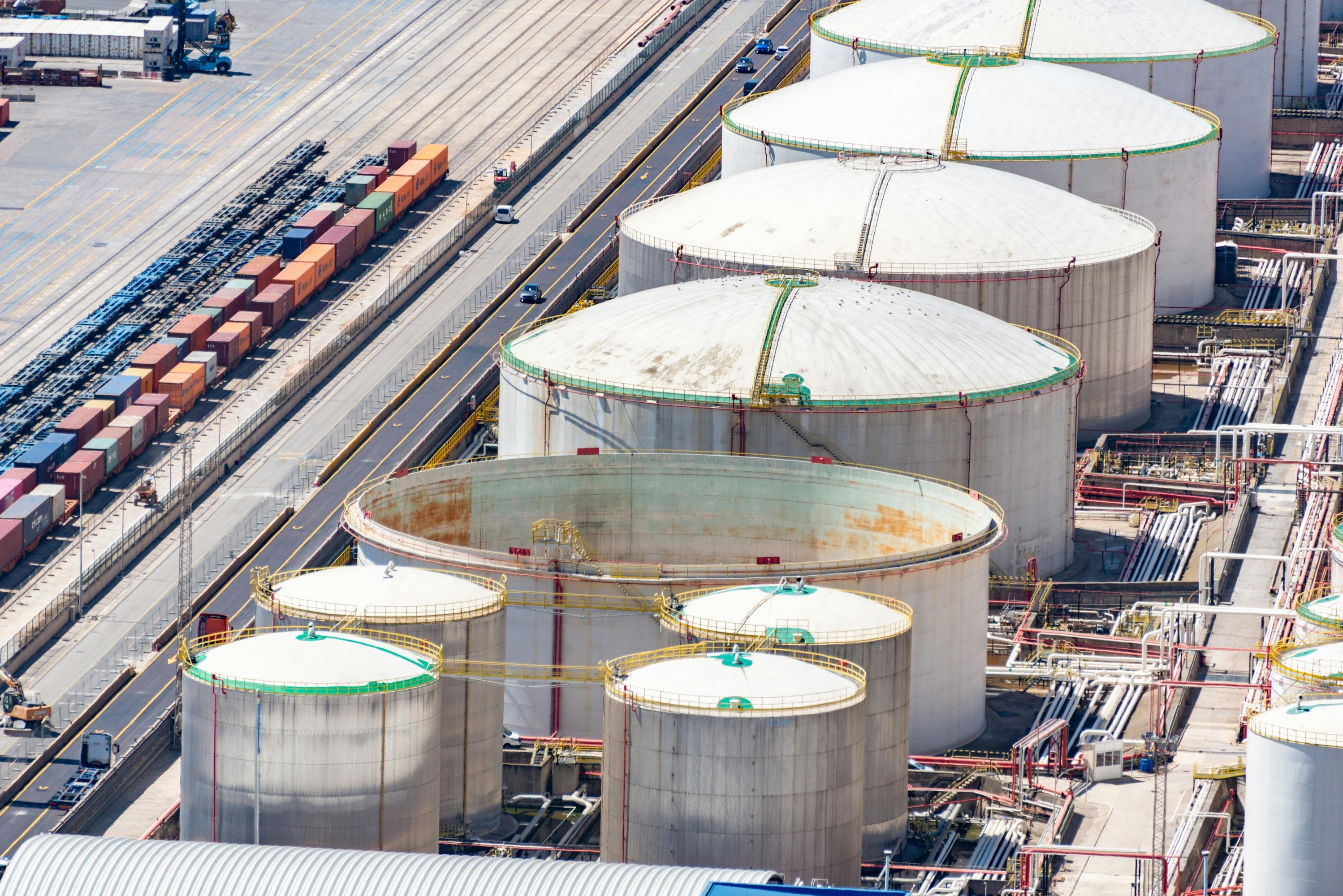
A thermal energy storage tank keeps chilled water so cooling can be produced during off-peak hours and used during peak demand. This article defines a TES tank, explains its operation in chilled water systems, describes where it is used, and what benefits it delivers.
What Is a TES Tank?
A thermal energy storage tank is an insulated vessel designed to store thermal energy for later use. In applications involving chilled water, the TES tank stores cold water generated by a cooling plant, thereby separating cooling capacity from the moment it is created.
This approach allows facilities to manage when cooling is produced and when it is delivered to the building or process. That’s the TES tank’s meaning.
How a TES Tank Works
A chilled-water thermal energy storage tank works through a cycle of charging, discharging, and recharging, so that cooling production is matched to the system's demand. The system stores chilled water at favorable conditions and delivers it when required, thus reducing the dependency on real-time chiller operation.
Storing Chilled Water During Off-Peak Hours
At times when there is no high demand, the cooling plant produces chilled water and stores it in the TES tank. This will mean that the production of cooling can be separated from its use and take advantage of periods when energy rates are low.
Using Stored Cooling During Peak Hours
When cooling demand is high, stored chilled water can supply part or most of the load, depending on the system design and operating strategy. This makes it possible for operational stability and limits aggressive cycling of chillers during maximum periods of demand.
Distribution And Recharge Cycle
The TES tank’s function of cooling means returning warmer water and raising the tank temperature. In the process of again cooling this warmer water during recharge, it flows back into the tank. The storage capacity is restored. In many stratified TES designs, inlet and outlet diffuser arrangements (often at the top and bottom) help manage how water enters and exits.
Internal Diffuser System
In stratified tanks, diffusers or similar flow-control devices can be used to guide inlet and outlet flow. This helps limit mixing and supports thermal separation between warmer and colder water.
Thermocline Layer
In stratified chilled-water storage, the thermocline is the thin transition layer between warmer water above and colder water below. A stable thermocline can improve storage performance and is desirable because it supports the predictability of charging and discharging.
TES Tank Applications
Thermal energy storage tanks can be integrated into chilled-water systems. This can be helpful when cooling demand varies or when operational flexibility is needed. Chilled water storage enables load shifting, better plant operation, and improved resilience.
Chilled Water Cooling Systems And District Cooling
Many district cooling systems use TES tanks to balance production and consumption across multiple facilities, including commercial and industrial buildings, data centers, government facilities, military bases, airports, college campuses, and power plants.
Mission-Critical Cooling Needs
Some facilities use stored chilled water to help maintain cooling during planned maintenance or unexpected downtime of chiller equipment. This, in turn, improves reliability and helps reduce operational risk.
Storage Capacity And Sizing Basics
Storage capacity and sizing of a thermal energy storage tank design depend on how the chilled water system is supposed to operate. Rather than following fixed rules, capacity is aligned with cooling demand patterns and operating schedules.
Ton-Hours As A Planning Metric
TES capacity is often discussed using ton-hours (or an equivalent thermal energy unit), which represent the amount of cooling energy stored rather than the physical size of the tank alone. This metric connects storage capacity to system performance goals such as peak load reduction or operational flexibility. The required ton-hours are defined by the operating strategy and the portion of cooling demand the TES tank is intended to support.
Typical Tank Size Range
The size of a thermal energy storage tank may depend significantly on the application and the conditions at the site. For example, a smaller system may have a tank of a few tens of thousands of gallons, while a large campus or a district cooling plant may require a multi-million-gallon tank. Cooling capacity, space availability, and how the storage works with the cooling plant are the most important considerations in the selection of a size.
Design Options And Site Restrictions
Design options are often changed to fit the specific limitations of the site, such as space, height, and existing equipment. TES tank design can also vary to help new or existing chilled water systems work together. These considerations make it possible for the storage solution to be within the physical and operational limits of the facility.
What A TES Tank Solution Typically Includes
A TES tank project commonly includes several scope elements that support reliable chilled-water operation. Each of these components is chosen based on the performance goals and conditions at the site so that no unnecessary complexity is added.
Engineering And Design
A project starts with the engineering and design of a system that is in line with the chilled water system, the storage capacity needed, and the space at the site. This part of the project specifies the method of integrating the TES tank into the existing or future cooling system.
Fabrication And Erection
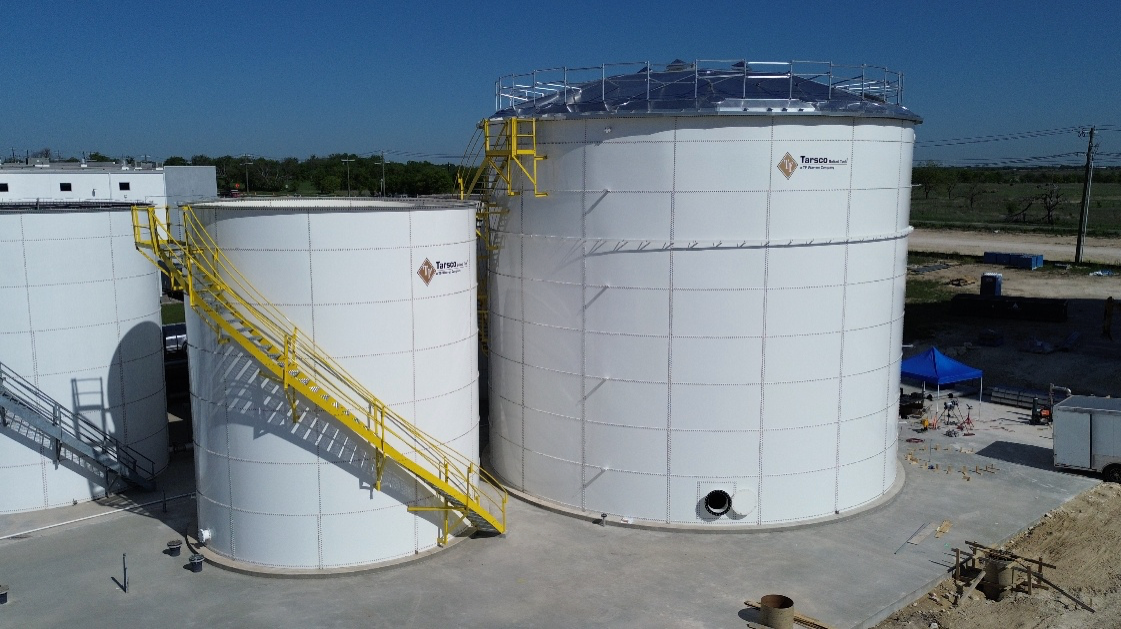
TES tanks are fabricated and erected to support chilled water service and long-term operation. The construction phase of the project involves assembling the tank structure in a controlled manner, ensuring it is compatible with the expected operating conditions.
Foundation, Coatings, And Insulation
The project is not only concerned with the physical structure of the tank but also with foundation planning, protective coatings, and exterior insulation. These features reduce heat gain, safeguard the tank structure, and ensure a long service life.
Internal Diffusers And Piping Systems
Internal diffuser assemblies and related piping are commonly included to manage water flow during charging and discharging. These systems help maintain effective thermal separation within the tank.
Materials Used In Thermal Energy Storage
Water
Water is the most common medium used in thermal energy storage tanks for chilled water systems. Water is ubiquitous, relatively cheap, and possesses excellent thermal storage characteristics at the temperature ranges used for comfort and process cooling. Water-based TES systems are particularly suitable for situations where large quantities of cooling energy are required to be stored and to be released in a controlled manner.
Ice
Ice storage is an alternative approach that stores cooling energy by making ice at lower temperatures. Because ice holds more cooling energy per unit volume than chilled water, these systems can reduce storage tank size. Ice-based TES is typically used where space is limited or where systems are designed to operate at lower supply temperatures.
Phase Change Materials
Phase change materials, often referred to as PCMs, store thermal energy as they change state, such as from solid to liquid. These materials can offer higher energy storage density compared to water alone. PCM-based systems are more specialized and are typically applied where compact storage or specific temperature control is required.
Key Benefits Of TES Tanks
1. Lower Costs Through Load Shifting
Thermal energy storage tanks allow cooling production to occur during off-peak hours when electrical demand and rates are lower. This load shifting can reduce peak demand charges and overall energy costs.
2. Improved Energy Efficiency
By operating cooling equipment during more favorable conditions, TES tanks help systems run more efficiently. Chillers can be set up for a more consistent operation instead of reacting to short-term demand spikes.
3. Reliability And Temperature Stability
Stored chilled water supports a more consistent temperature environment. This stability is especially important for facilities with sensitive equipment or strict comfort requirements.
4. Capacity Expansion And Equipment Deferral
TES tanks can be a great help in raising the cooling load capacity by providing extra cooling to the existing equipment. If storage is an option, it is possible for facilities to postpone the decision of adding a new chiller capacity, depending upon their system design and operating strategy.
5. Sustainability Support
The reduction of peak electrical demand is a great way of providing help for the achievement of wider energy management goals. By postponing the production of cooling to off-peak periods, TES tanks can be a tool for the cooling operations to be in line with the energy use that is efficient and sustainable.
Key Takeaways
A thermal energy storage (TES) tank is an insulated storage tank that holds chilled water for later use in a cooling system. It operates in a three-step cycle of charge, discharge, and recharge to transfer production of cooling away from the peak demand periods. It is typical for TES tanks to be a part of a large chilled water system, a district cooling network, and a facility with essential cooling needs. The main advantages are load shifting for cost control, enhanced energy efficiency, and improved cooling reliability.
Recent Posts
Tank Foundation Types: Ringwall vs. Slab vs. Deep Foundations
Custom vs. Ready-Made Steel Tanks: What’s Best for You?
Caustic Soda Storage Tanks: No More Winter Flow Surprises
Bolted Tanks vs Welded Tanks: Selecting the Right Storage Tank(s) for Your Next Project