
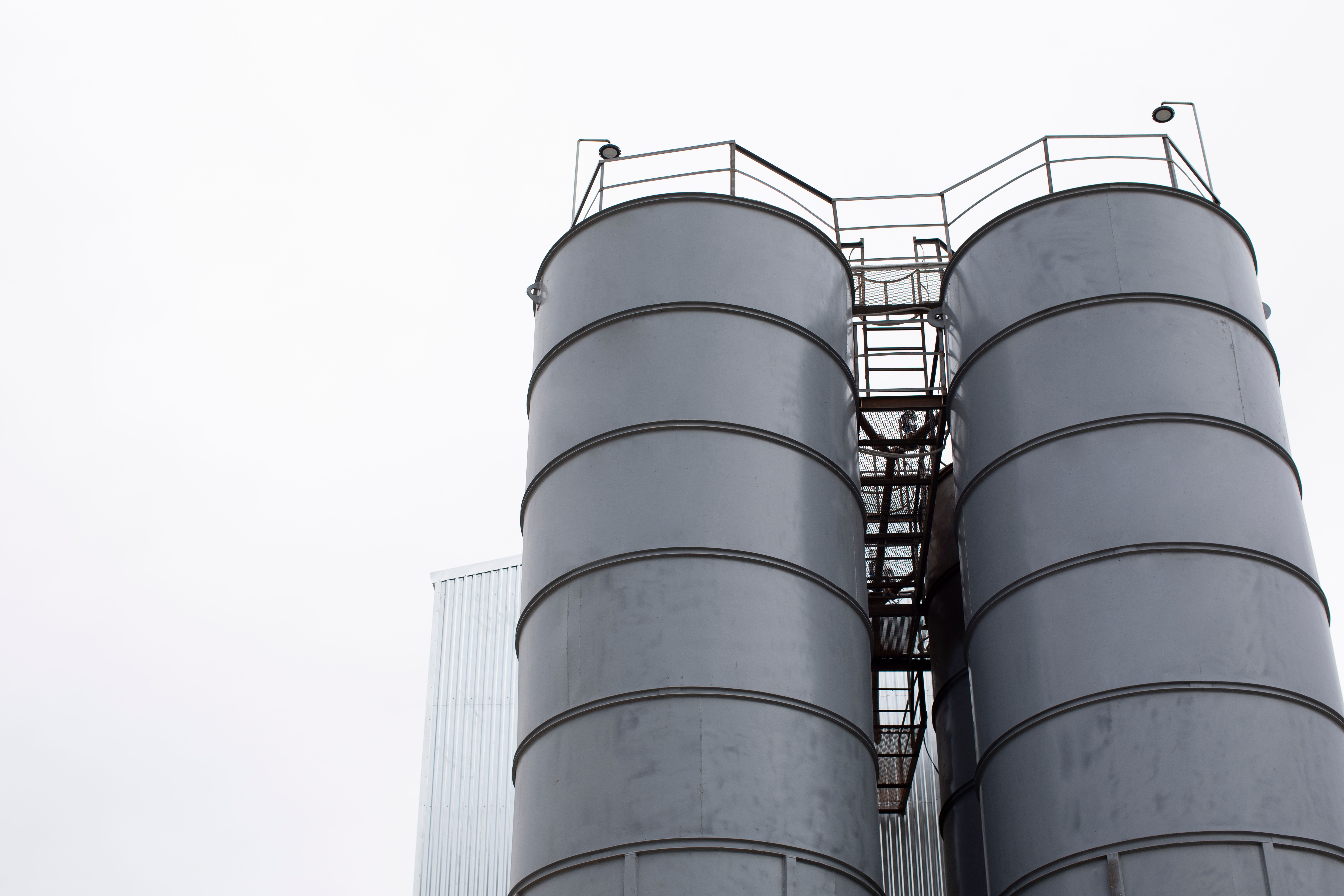
Outdoor caustic soda storage works when the tank system prevents leaks and keeps the product above its crystallisation temperature. This article explains why stainless steel is commonly chosen and how XLPE double-wall tanks compare as an alternative.
What Caustic Soda Is Used For
Sodium hydroxide (NaOH), also called caustic soda or lye, is a very strong alkaline substance that is used in many industries. Companies often keep it on hand so as to maintain uninterrupted operations, controlled dosing, or batch production. Since Caustic soda is corrosive and reacts to temperature, the storage conditions have a great influence on its safety and dependability.
Common Industrial Uses
Caustic soda is widely used across industries, including:
- Soaps and detergents
- Rayon manufacturing
- Paper and pulp processing
- Explosives production
- Dyestuffs
- Petroleum products
- Cotton processing
- Laundering and bleaching
- Metal cleaning and processing
- Oxide coating
- Electroplating
- Electrolytic extraction
Water Treatment Uses
Caustic soda is also widely used in water treatment for:
- pH adjustment
- Coagulation to remove impurities
- Heavy metal removal
- Serving as a precursor to sodium hypochlorite
Why Outdoor NaOH Storage Creates Problems
The storage of NaOH outdoors naturally incurs a few difficulties that are not so typical in an indoor setting. The impact of the weather makes the focus on leak prevention and temperature control even more important.
Leaks Can Start Small
Liquid caustic soda is extremely slippery and can move very easily, and when there are small gaps in the fittings, nozzles, or connections, it can find its way through them. Initially, the little drips are usually not noticed, but if the weak spots are not fixed, then they can develop into continuous leaks. Outdoor NaOH storage conditions only add to this risk by introducing factors such as thermal expansion, contraction, and weather exposure that, over time, cause the caustic soda storage tank components to wear out.
Crystallisation Risk In Cold Weather
When caustic soda is of a 50% concentration, it starts to freeze at about 12°C. The majority of the plants try to keep the product they have in store at a temperature not lower than 15°C in order to ensure that the product keeps flowing. The formation of ice can cause blockages in the piping, valves can get stuck, and there may be hardened caustic soda storage tank material inside.
Keeping Caustic Soda Warm Outdoors
In cooler climates, outdoor caustic soda storage usually requires heat maintenance to keep the chemical in liquid form. The objective is to offset heat loss and maintain a stable internal temperature rather than react to freezing after it occurs. Effective heat maintenance reduces operational interruptions and cleanup risks.
What A Heat Maintenance Kit Includes
A heat maintenance system typically includes:
- Tank heating pads to add controlled warmth
- A thermostat system to regulate temperature
- Polyurethane foam insulation to reduce heat loss
- A protective paint layer to shield the exterior
Each component plays a role in maintaining temperature stability and protecting the system.
What Determines Heating Pad Needs
Heating pad requirements depend on several factors:
- Tank size
- Tank type
- Required caustic soda storage temperature
- Ambient outdoor conditions
Heat loss rates are influenced by these factors, and they determine the amount of heat that has to be supplied in order to ensure that the flow is reliable.
Stainless Steel Tanks for Outdoor NaOH Storage
Caustic soda storage tank requirements can be a good candidate for stainless steel for several reasons. Stainless steel is not only resistant to corrosion but also exhibits high thermal stability, and it offers a wide range of other beneficial properties.
Why Stainless Steel Is Often Chosen
Stainless steel panels can withstand deterioration caused by sodium hydroxide and the surrounding environment. Pitting, crevice corrosion, and other forms of corrosion may be the main cause of tank failure if the component material does not resist the environment. When a high-quality stainless steel tank is used, the strong joints and fittings reduce the risk of leaks over the long term. Besides these, stainless steel caustic soda storage tanks, when combined with heat-maintenance systems both indoors and outdoors, can be very effective at providing the desired temperature control.
Temperature Stability Support
One of the key components of caustic soda storage is temperature management, which is especially vital during cold seasons. Stainless steel tanks are compatible with heating pads and insulation systems that keep the chemical above its crystallisation point. Environmental control of the chemical ensures safe and reliable transfer through nozzles, valves, and connected piping.
Fit for Permanent Outdoor Installations
Stainless steel tanks are, undoubtedly, the most durable for outdoor service. Hence, they are a popular choice for long-term outdoor exposure. Those facilities, which anticipate a long operational product life and predictable performance, generally view stainless steel as a material capable of withstanding continuous exposure to outdoor conditions.
Operating and Maintenance Practicality
From an operational point of view, stainless steel tanks make routine inspection and maintenance easy and manageable. A facility can always appreciate the feature of having clear access to the fittings, nozzles, and connections for troubleshooting and maintenance. These practical considerations contribute to steady day-to-day operation without relying on complex handling procedures.
Cost And Lead Time Considerations
Both cost and delivery timing play an important role during the planning stage. Depending on size and configuration, stainless steel tanks may be three to four times more expensive than XLPE tanks. XLPE systems are often engineered and delivered more quickly, which some facilities weigh against long-term durability and outdoor performance requirements.
XLPE Double-Wall Tanks as an Alternative
XLPE double-wall tanks are yet another alternative that outdoor caustic soda storage facilities may consider to evaluate. Although not as well-known as stainless steel for long-term outdoor service, they still offer certain advantages depending on project priorities.
Footprint And Site Simplicity
The use of a double-wall design can reduce site complexity by doing away with the large concrete containment berm. This smaller footprint can simplify installation and site layout, especially in the case of facilities having limited space.
Cost Considerations
XLPE tanks usually cost only a small fraction of what stainless steel tanks cost. There might be fewer maintenance and repair requirements if the need for a berm were removed. These considerations can persuade industrial projects with budget limitations to choose XLPE.
Leak Containment
A double-wall system isolates the chemical in the event of a leak effectively. This means that the facility can contain the chemical and, depending on the procedures, continue using the stored product until the repairs or replacement are done.
Works With Heat Maintenance
XLPE double-wall tanks can be paired with heat maintenance systems. The double-wall design also helps minimize heat loss. The proper way in which storage temperature ought to be maintained is engineered.
Bottom Line for Outdoor NaOH Storage in Cold Weather
Stainless steel is usually recommended for outdoor NaOH storage in cold weather (when the ambient can drop below 60°F / 15°C) because it resists corrosion and works well with heat-maintenance systems. It has strength and temperature steadiness to assure good operation on a long-term basis under exposed conditions. XLPE double-wall tanks are an alternative that some facilities perform testing based on cost, footprint, and lead time for delivery. The right solution depends on operational priorities, site conditions, and storage requirements, not on a single material preference.
Recent Posts
Tank Foundation Types: Ringwall vs. Slab vs. Deep Foundations
Custom vs. Ready-Made Steel Tanks: What’s Best for You?
TES Tanks: What They Do, Why They Pay Off, How They Work
Bolted Tanks vs Welded Tanks: Selecting the Right Storage Tank(s) for Your Next Project