Powder coating is a dry-finish process applied to steel tanks and their components. The method starts with a thorough surface preparation. An electrostatically charged powder is then sprayed on the surface and cured under heat, forming a solid, protective skin..
Many tank operators prefer it over traditional liquid paint because it avoids runs and sags, creating a more uniform shield. In this article, we will walk you through five benefits of powder coating, highlight where these advantages deliver the most value, and explain how to ensure you get a long-lasting, durable result for your investment.
The Five Benefits at a Glance
For engineers and tank owners, the value of a coating system is measured by its long-term performance. The core advantages of powder coating address this directly. We will examine its superior corrosion resistance, uniform finish, and high impact resistance. You’ll also learn about its practical repairability in the field and its inherently lower environmental impact compared to solvent-based alternatives.
Corrosion Resistance and Service Life
When you prep the steel properly and cure the powder correctly, the coating bonds tightly. This seamless shield is effective at slowing rust formation, even when facing constant weathering, UV exposure, or harsh coastal and industrial atmospheres. When you compare the barrier integrity of a cured powder system to that of a typical liquid paint, the technical advantages of powder coating become clear. The result is a significant extension of the asset's service life with less long-term maintenance.
Uniform Film and Consistent Appearance
One of the first things you notice about a powder-coated tank is how even the finish looks. There are no runs, sags, or thin spots near corners. The powder clings electrostatically, so it reaches places liquid coatings usually miss, such as under brackets or along seam lines. After curing, the surface comes out smooth and consistent, front to back. It’s a cleaner look and makes inspections easier because there’s less variation to deal with.
Impact and Abrasion Resistance
Tanks endure significant mechanical stress. They’re lifted, strapped, rolled, and sometimes dragged a few feet during installation. A cured powder coat stands up to that. It’s dense and tough enough to resist light impacts, scuffs, and the kind of abrasion that chips ordinary paint. Even after a few seasons in the field, powder-coated steel tends to hold its edge definition and gloss better than most liquid systems.
Field Touch Up and Practical Repair
Even with a perfect shop coat, a tank can pick up a few nicks and scratches during shipping or while you're getting it set in the field. The good news is, there’s no need to return the coating equipment to the site. The field crew just needs to clean the area, roughen the surface slightly, and apply a matching epoxy or compatible touch-up paint. Once cured, the repair blends in well enough to maintain protection and extend the life of the finish.
Lower Environmental Footprint
From a regulatory and jobsite standpoint, the environmental angle is a significant advantage. Since powder coatings don't use solvents, you're not dealing with high VOC emissions or the complex handling and disposal that come with them. The process is also a lot cleaner. The air stays clearer, the cleanup’s easier, and the crew isn’t breathing in chemicals all day.
What Powder Coating Involves
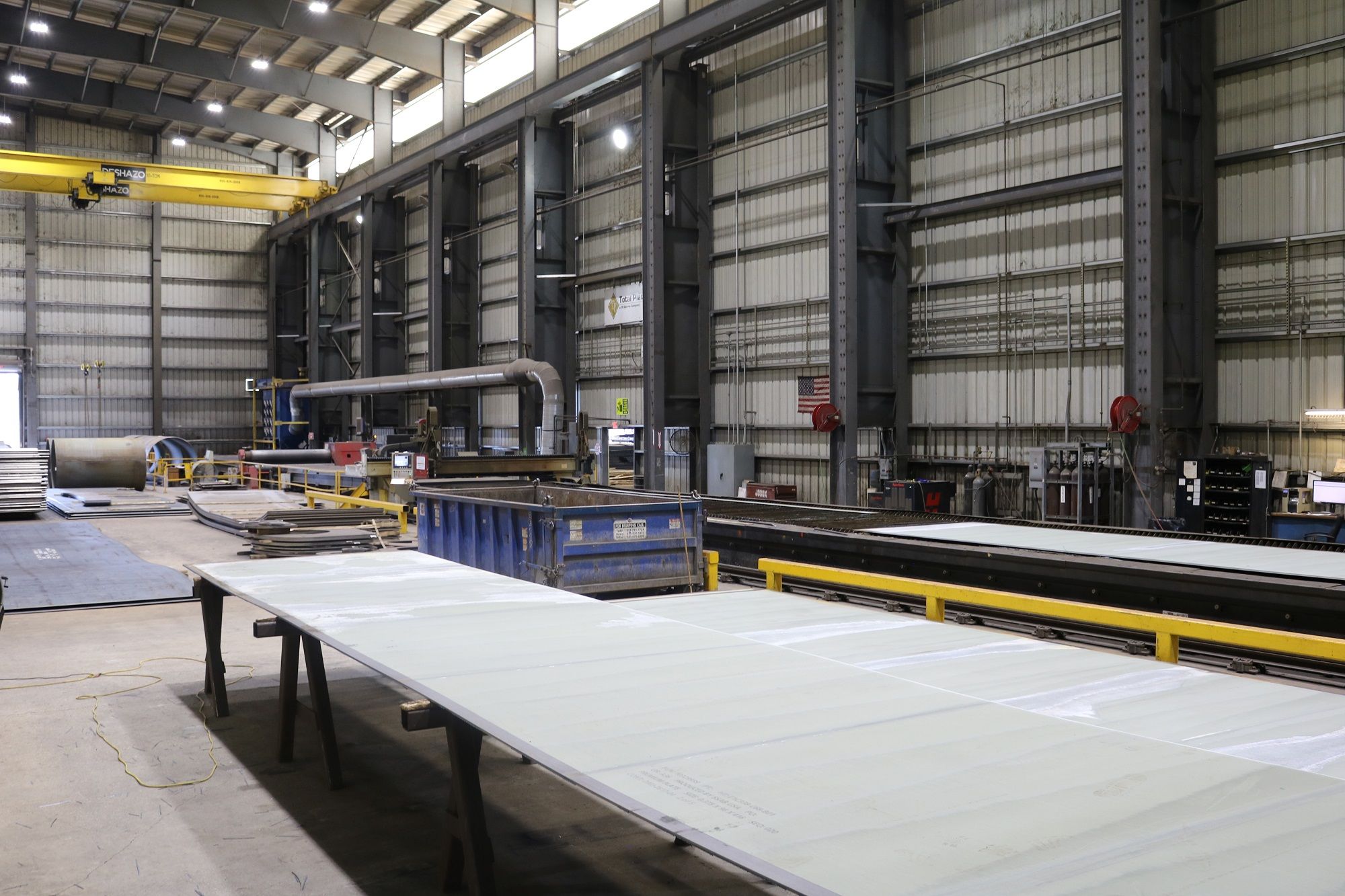
Powder coating starts with cleaning and profiling the tank surface to remove oil, scale, or rust. Once dried, threads and seal points are masked off before an electrostatic spray applies the powder. The coated part is then oven-cured and checked for thickness, adhesion, and cure. Commonly coated components include shells, roofs, ladders, and access hatches, highlighting what are the advantages of powder coating in long-term tank protection.
Surface Preparation Essentials
Think of the steel profile as the foundation for the entire coating system. It starts with a chemical wash to strip all oils, followed by abrasive blasting to achieve a specified anchor profile, typically measured in mils. Any residual moisture or the formation of flash rust before coating will create a failure point down the line.
Application and Cure Controls
Good coating work depends on control, from how the powder goes on to how it cures. The goal is to hit the target film build without leaving heavy edges or thin corners. A steady electrostatic spray helps, but temperature and time inside the oven matter just as much. If the cure runs short or too hot, hardness and adhesion suffer. When everything is dialed in correctly, you get a finish that bonds tightly, wears evenly, and delivers the full set of powder coating advantages in service.
Best Practices for a Durable Finish
A lasting finish starts with repeatable surface prep. The application must happen in a controlled environment to manage humidity and contaminants, ensuring a consistent film build. Verifying a complete cure is critical; the coating must achieve its full hardness and adhesion.
From there, careful handling with soft slings and edge protection during shipping and field assembly prevents damage before the tank is even in service. A final inspection and documented touch-ups of any transit nicks complete a quality-controlled installation.
Where Powder Coating Fits on Tanks
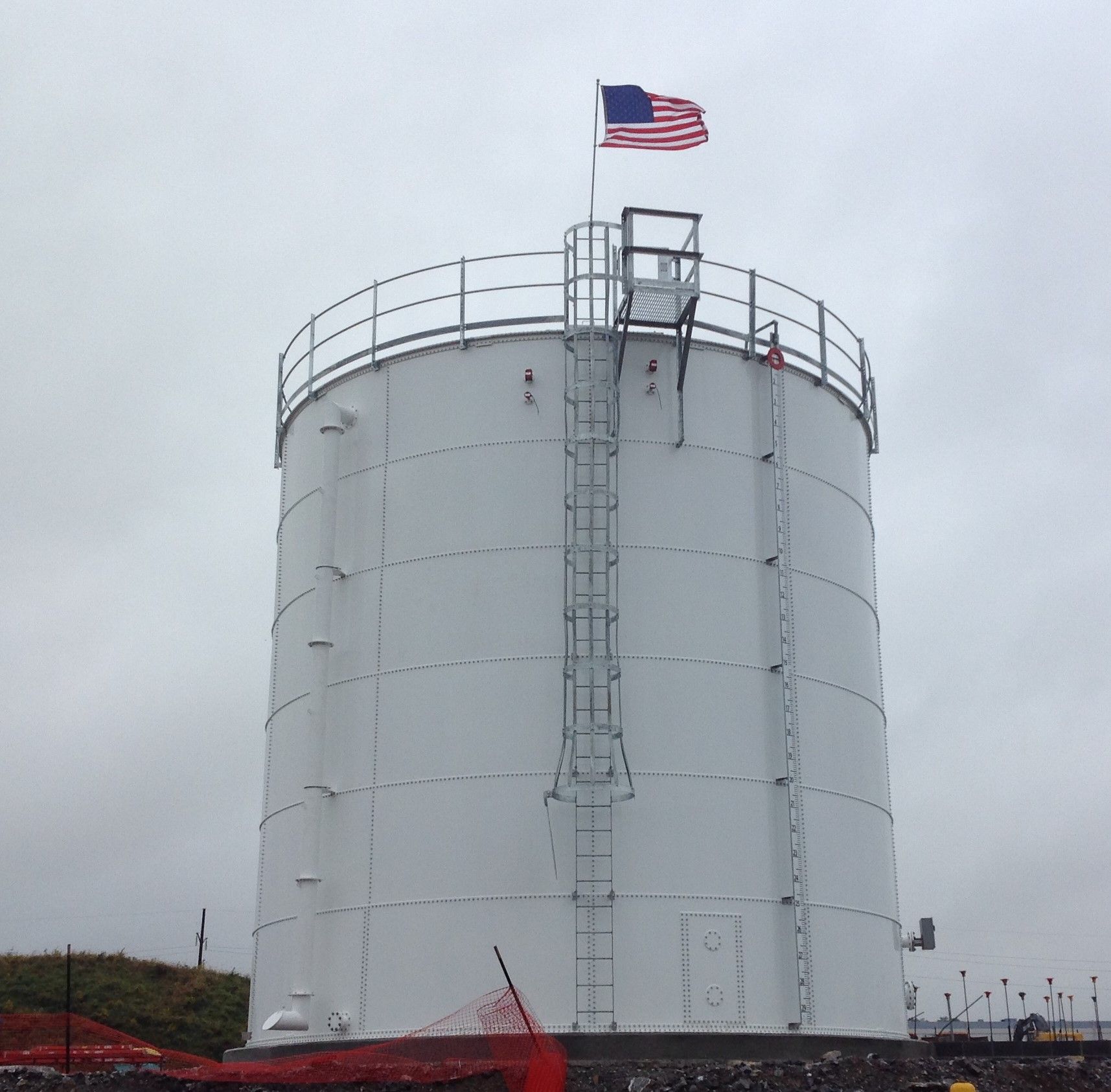
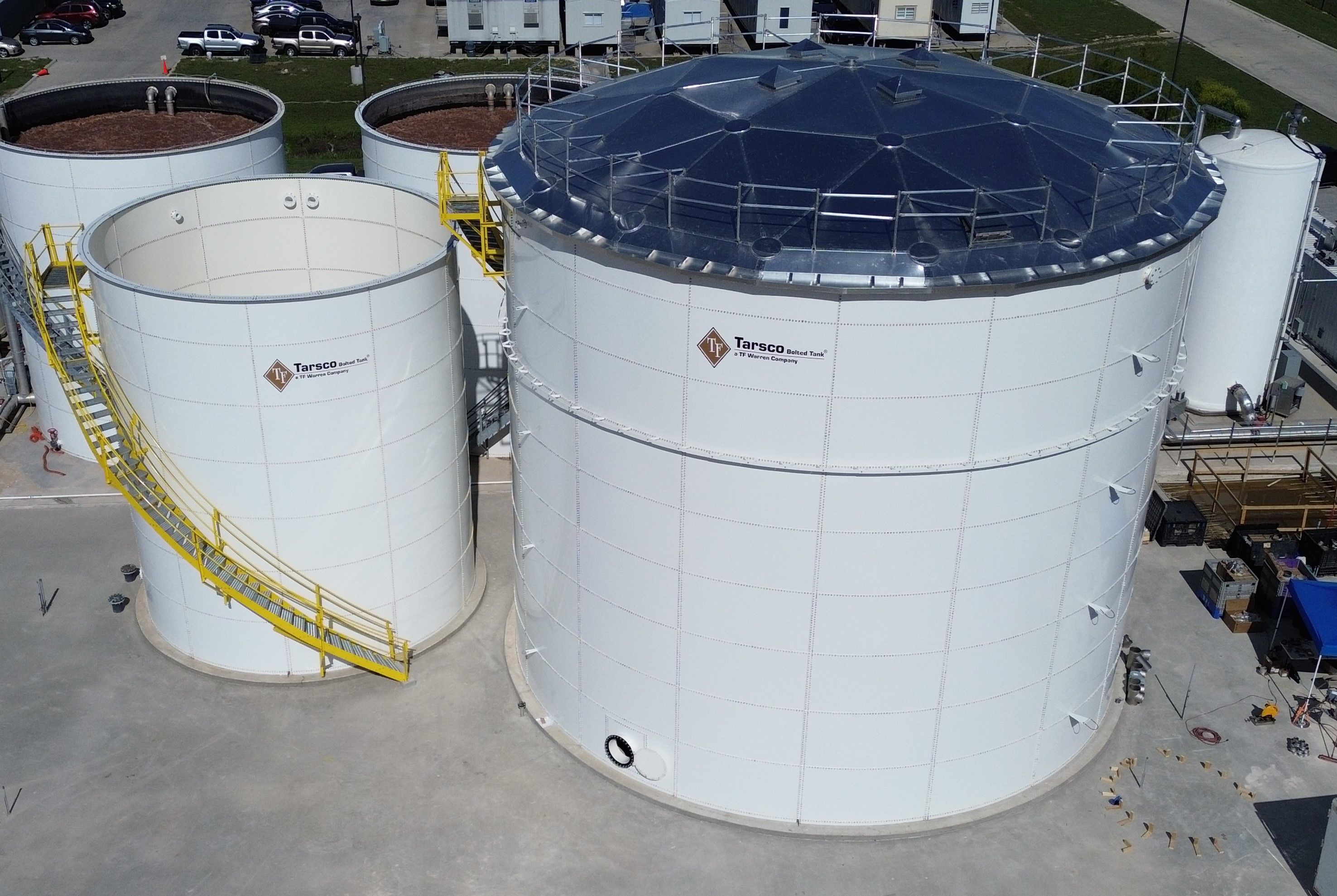
Walk through any industrial site and you'll see powder-coated tanks holding everything from municipal water to fire protection reserves and process water. The standard practice is to coat the exterior steel shell, roof, and all the ladders and walkways. It's a different story inside the tank, where the lining depends entirely on what you're storing. For the outside job, the benefits of powder coating stainless steel and carbon steel components are the same: a tough, weather-proof skin that stands up to sun and rain for years with little fuss.
Signs You Need Recoating or Repair
Don't wait for the steel to start bleeding. If you see rust streaks, bubbles under the film, or a chalky residue, your coating is waving a white flag. Other dead giveaways are chips showing bare metal or finding yourself patching the same spots every inspection cycle. Getting ahead of this is about stopping a small problem before it becomes a massive, costly repair. A little work now saves a full-blown replacement later.
Maintenance and Care After Installation
The maintenance protocol is straightforward and leverages the coating's inherent durability. The primary task is periodic washing to remove contaminants and salt deposits. During routine visual inspections, focus on detailed areas: weld seams, fastener lines, and hardware attachments. Any breach exposing substrate should be addressed immediately with a compatible field-applied epoxy.
Maintaining a simple log of inspections and repairs provides a crucial history for lifecycle management. This proactive, yet low-frequency, process is a fundamental powder coating advantage, ensuring the specified service life is achieved with minimal operational disruption.
Bringing the Benefits Into Your Specification
To lock in these performance characteristics, your project specification needs to be specific. Start by clearly defining the tank's environment and service life expectation. Then, mandate the surface preparation standard and curing protocols. Don't forget to detail procedures for transportation and field assembly to prevent jobsite damage.
Finally, establish clear inspection criteria and a realistic long-term maintenance schedule from the outset. This level of detail in your documentation is what transforms the theoretical advantages of the coating into a guaranteed, durable asset on your site.
Frequently Asked Questions
Can powder coating be applied over a sound existing coating, and what extra prep is needed?
Technically, yes, but it's like putting new siding over old wood; you're trusting whatever is underneath. That existing coating has to be flawless, with no hidden rust or peeling. The real work is in the prep: it needs a serious abrasive blasting just to rough up the surface for the new powder to grip. Most applicators will tell you it's safer to strip it down to bare metal for a bond you can count on.
How does powder coating hold up in coastal or high UV environments over time?
The fusion-bonded shell is tough for salt spray to penetrate. For the blistering sun, you'd specify a polyester-based powder; it's formulated to fight off UV damage, so it won't chalk up and fade like cheaper paints. You'll see some of the oldest coated tanks along the Gulf Coast still holding their color and protection.
Recent Posts
Tank Foundation Types: Ringwall vs. Slab vs. Deep Foundations
Custom vs. Ready-Made Steel Tanks: What’s Best for You?
TES Tanks: What They Do, Why They Pay Off, How They Work
Caustic Soda Storage Tanks: No More Winter Flow Surprises